Real-world cases from Equifax to Razer illustrate the human and financial toll of cyberattacks. A security breach rarely announces itself. It begins with a misconfiguration, an unpatched vulnerability, or a single employee clicking the wrong link — and ripples outward in ways that can take years to resolve. The consequences…
Cybersecurity Basics
-
-
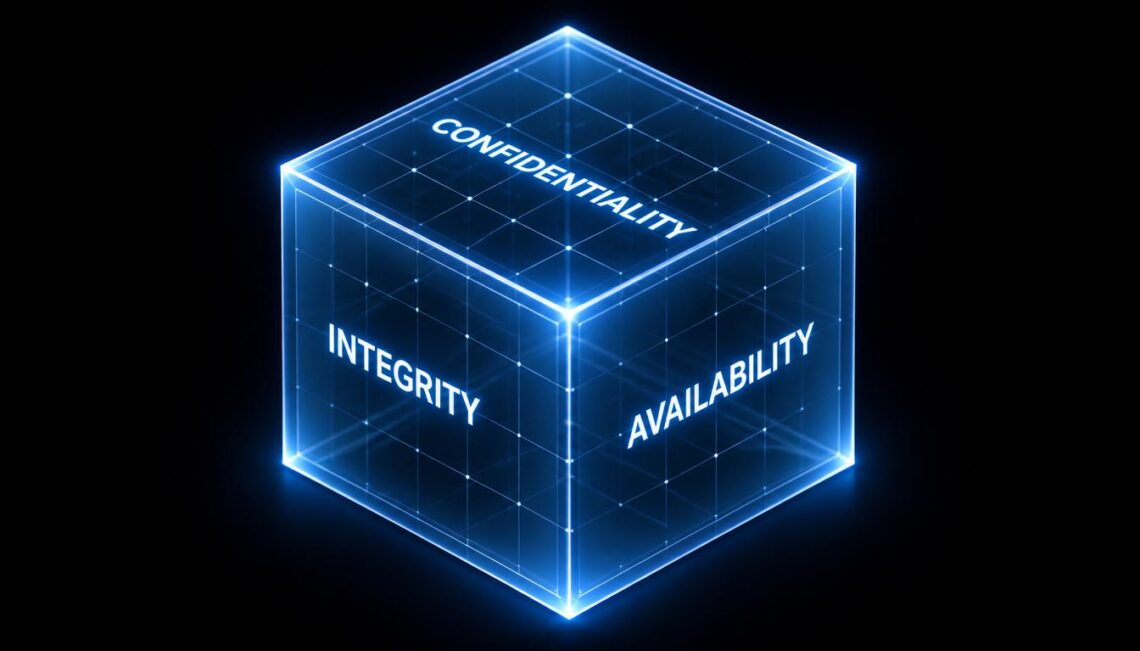
The McCumber Cube: A Blueprint for Information Security
How a 1991 model still guides organizations in protecting everything from databases to IoT sensors. In 1991, John McCumber proposed a three-dimensional model that remains one of the clearest frameworks for evaluating an organization’s security posture. Known as the McCumber Cube, it asks security teams to consider three overlapping dimensions…
-
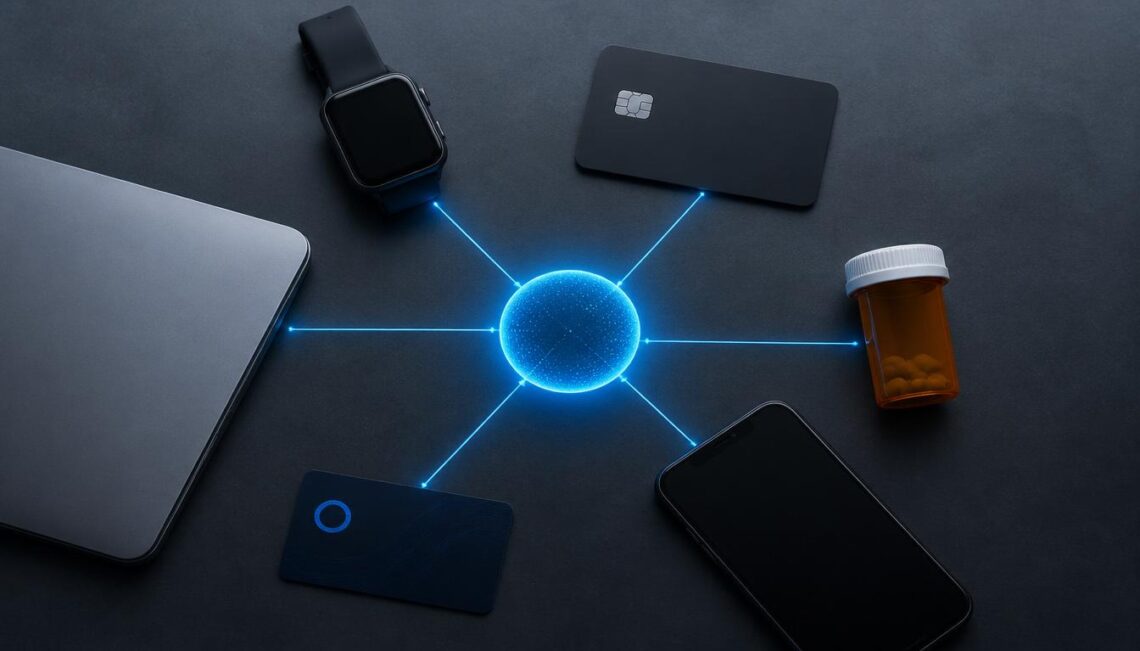
What They Know About You: The Anatomy of Personal Data
From medical records to smart devices, your data footprint is far larger than you think. Personal data is any information that can be used to identify you — your name, social security number, date and place of birth, your mother’s maiden name, even the messages you exchange with family. Cybercriminals…
-
You Have Two Selves and Both Need Protection
Understanding your offline and online identity in an age of constant surveillance. A cyberattack happens every 39 seconds — and the relationship between online identity and cybersecurity has never been more consequential. The target of these attacks isn’t always a bank or a government. More often, it’s an ordinary person who underestimated…
-
Digital Forensics and Incident Response (DFIR): A Comprehensive Guide
What is DFIR? Digital Forensics and Incident Response (DFIR) is a specialized cybersecurity discipline that combines two critical practices: digital forensics and incident response. It involves investigating security incidents by collecting, preserving, analyzing, and presenting digital evidence in a systematic manner. DFIR professionals work to understand what happened during a…
-
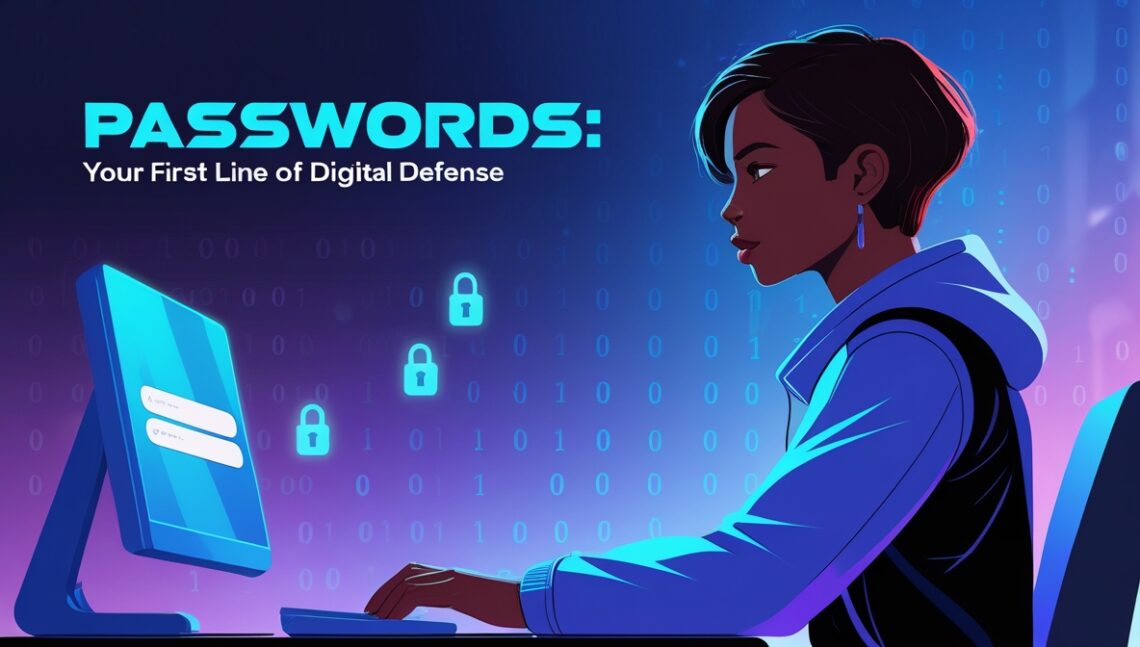
Creating strong passwords: your first line of digital defense
The secret that protects everything Think of your online accounts like your house, and passwords are the keys to different rooms. You wouldn’t use the same key for your front door, bedroom, and car, so you shouldn’t use the same password for all your accounts. A weak password is like…
-
5 steps to keep your digital life safe
We all have some part of our life online nowadays. We shop, work, chat with friends, and store photos on our devices. But this digital life comes with risks. The good news? Staying safe online doesn’t require a computer science degree. 1 – Use passwords and a password manager The…